Useful advice needs clear evidence
Evidence labels
Each technical claim should be traceable internally to original testing, manufacturer documentation, another primary source, reputable secondary reporting, or a clearly marked community pattern. A page does not claim hands-on testing unless that test exists and is recorded.
Images
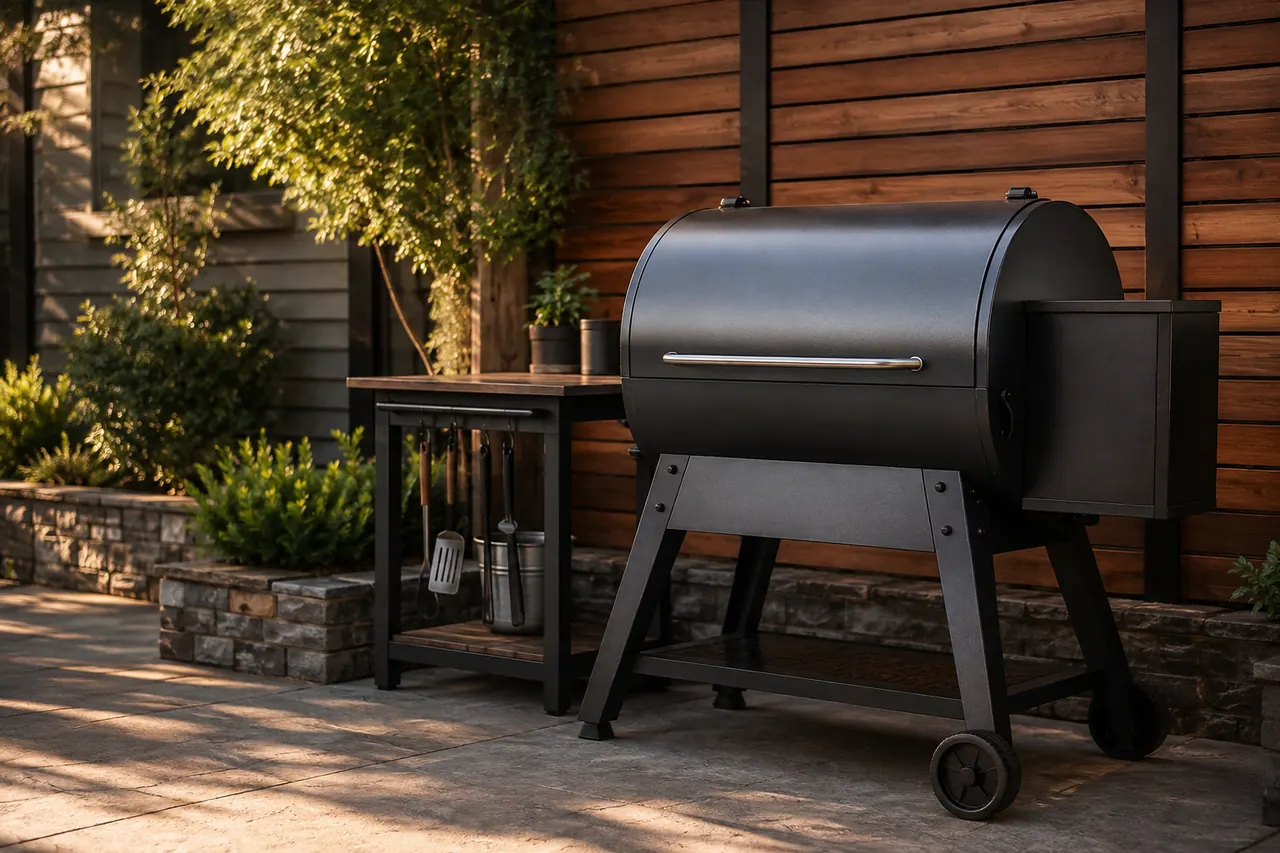
AI-generated illustrations may explain a topic or set a visual tone, but they do not document Patrick’s equipment, a product test, a repair, or a cooking result. Their alt text describes the image, not a performance claim.
Safety and food
Gas, electrical, fire, and food-safety guidance uses explicit stop conditions. Model-specific manuals and qualified service take priority over a general diagnostic article.
Commercial recommendations
Products belong only where they solve the problem being discussed. Compatibility, limitations, disclosure, and the relevant use case must be visible; affiliate revenue never creates the recommendation. A product is not described as tested, preferred, or superior unless the corresponding evaluation actually happened and is recorded.
What a reader can challenge
A reader should be able to see when a page relies on a manual, a first-party product page, a safety authority, or a clearly marked practical framework. If a model, source, compatibility detail, or claim is incomplete, the page should say so rather than silently bridge the gap.