Cooking reference guides
Build the cook around the meat and the table
These reference guides create the larger plan. Use the diagnostic pages when a specific part of the cook starts to go wrong.
Food safety
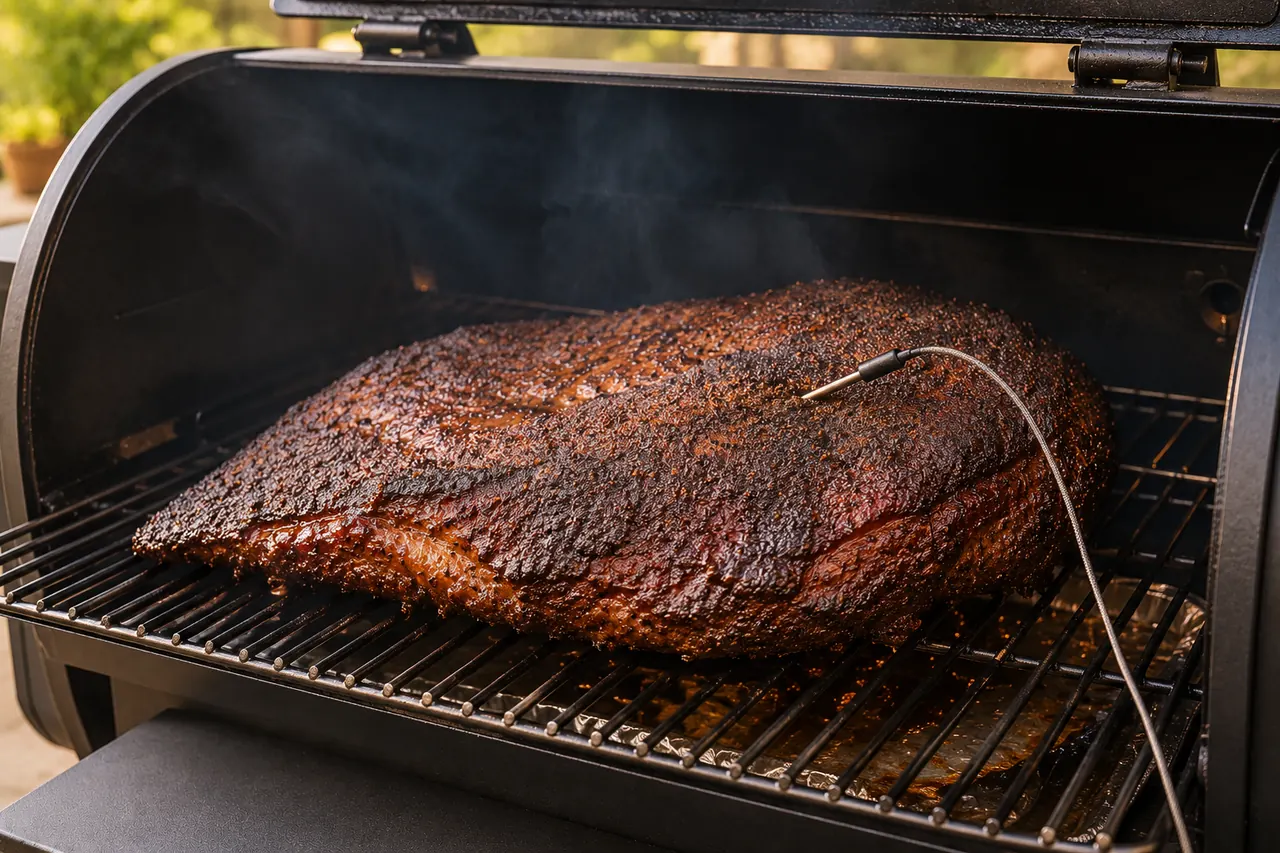
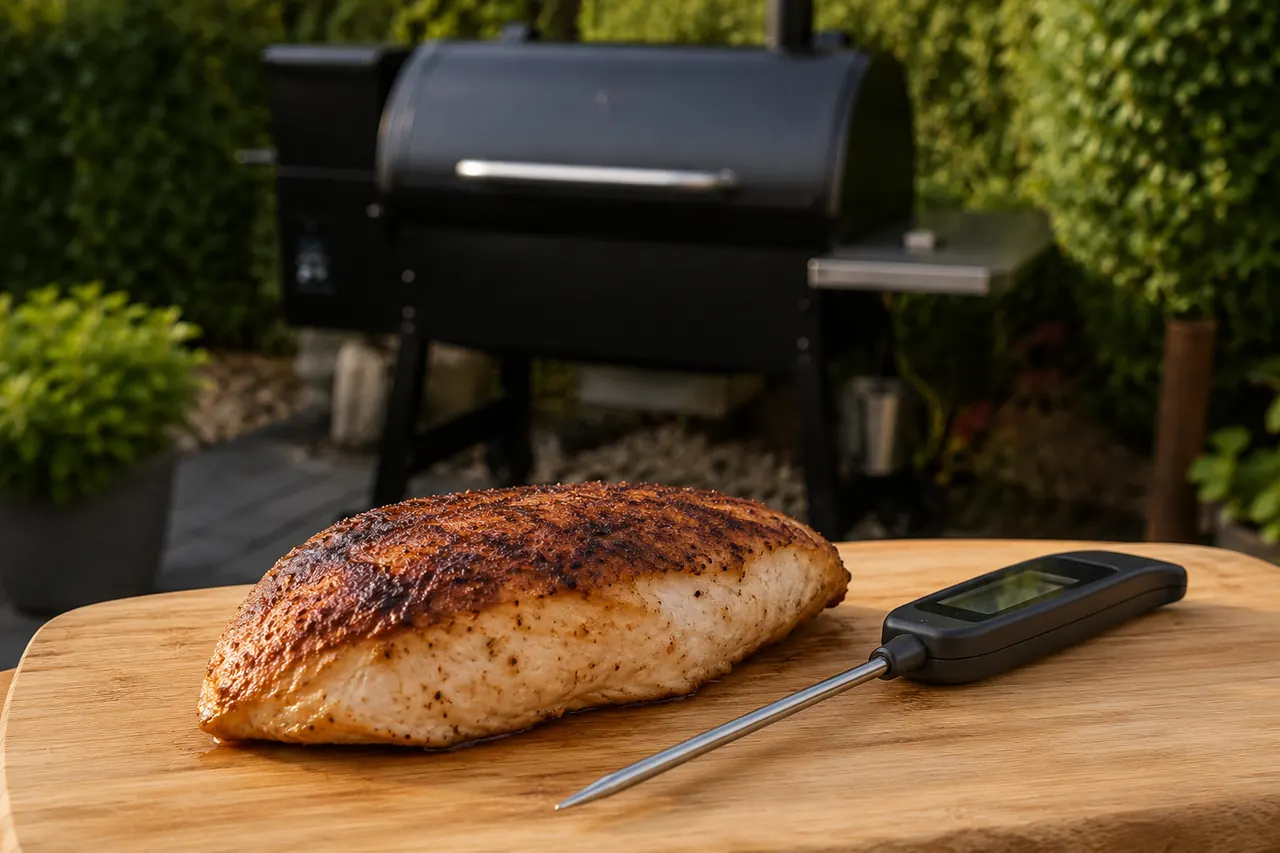
Food safety temperatures: use the thermometer for safety, then cook for texture
A practical temperature framework for outdoor cooks that separates safe minimum temperature from tenderness, color, and the finish you want.
Open guide →Tri-tip
Smoked tri-tip: protect the center, the sear, and the slice
A practical tri-tip plan that separates safe doneness, a controlled high-heat finish, rest, and slicing so a quick roast stays useful at service.
Open guide →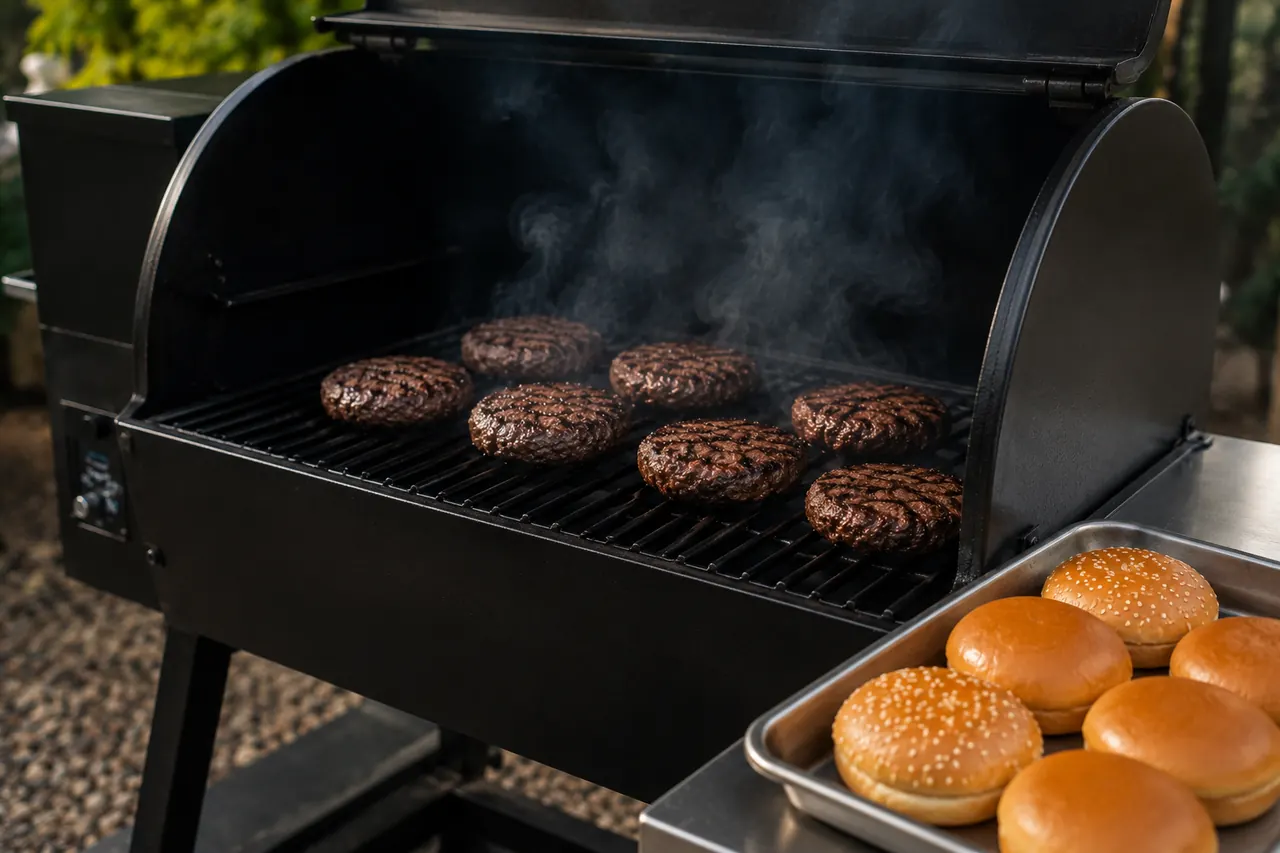
Burgers
Smoked burgers: coordinate safety, batch timing, and service
A burger-cook framework for using a thermometer correctly, avoiding dry hold time, and keeping a mixed batch moving without relying on color.
Open guide →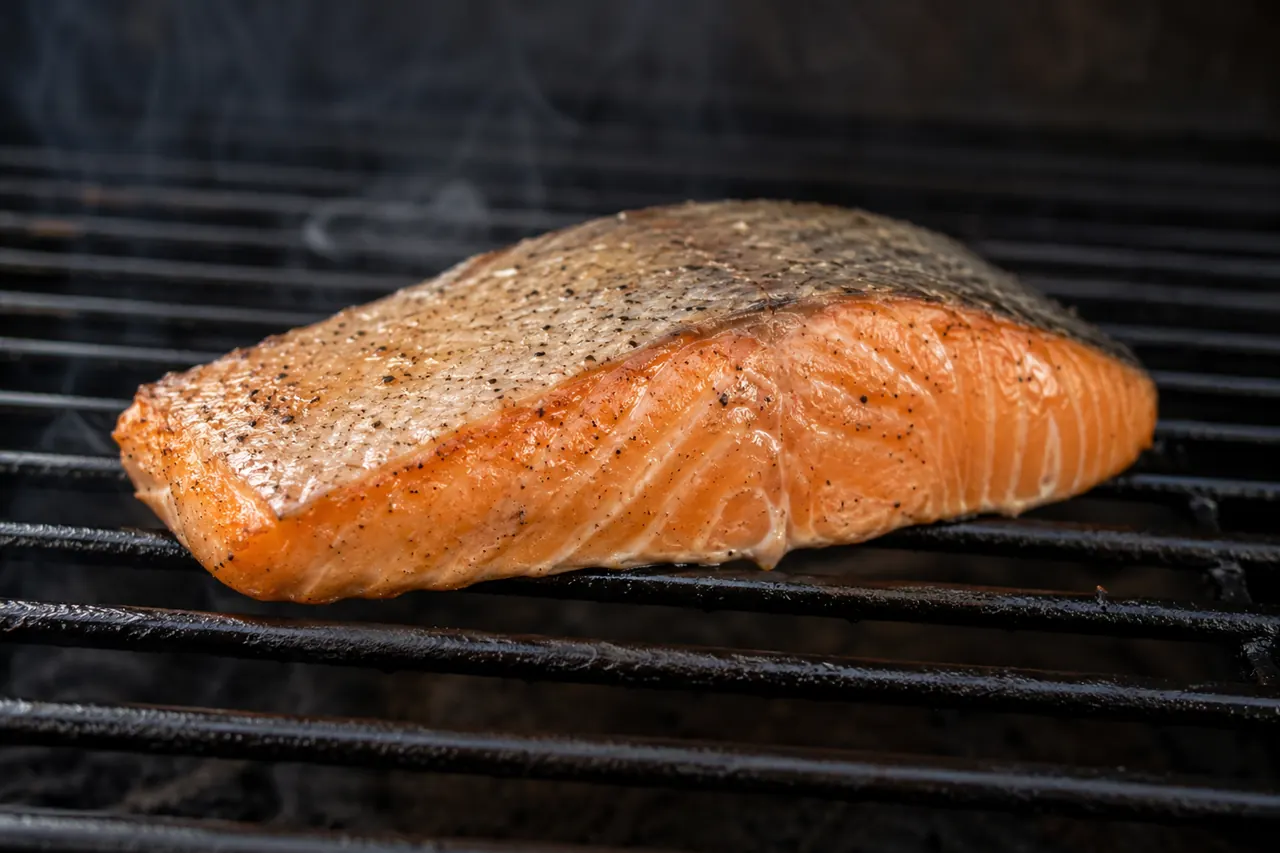
Salmon
Pellet grill salmon: protect the fillet, the heat plan, and the serve
A practical salmon plan for keeping the cook short, measuring the thickest section, and serving the fish before a good result turns dry.
Open guide →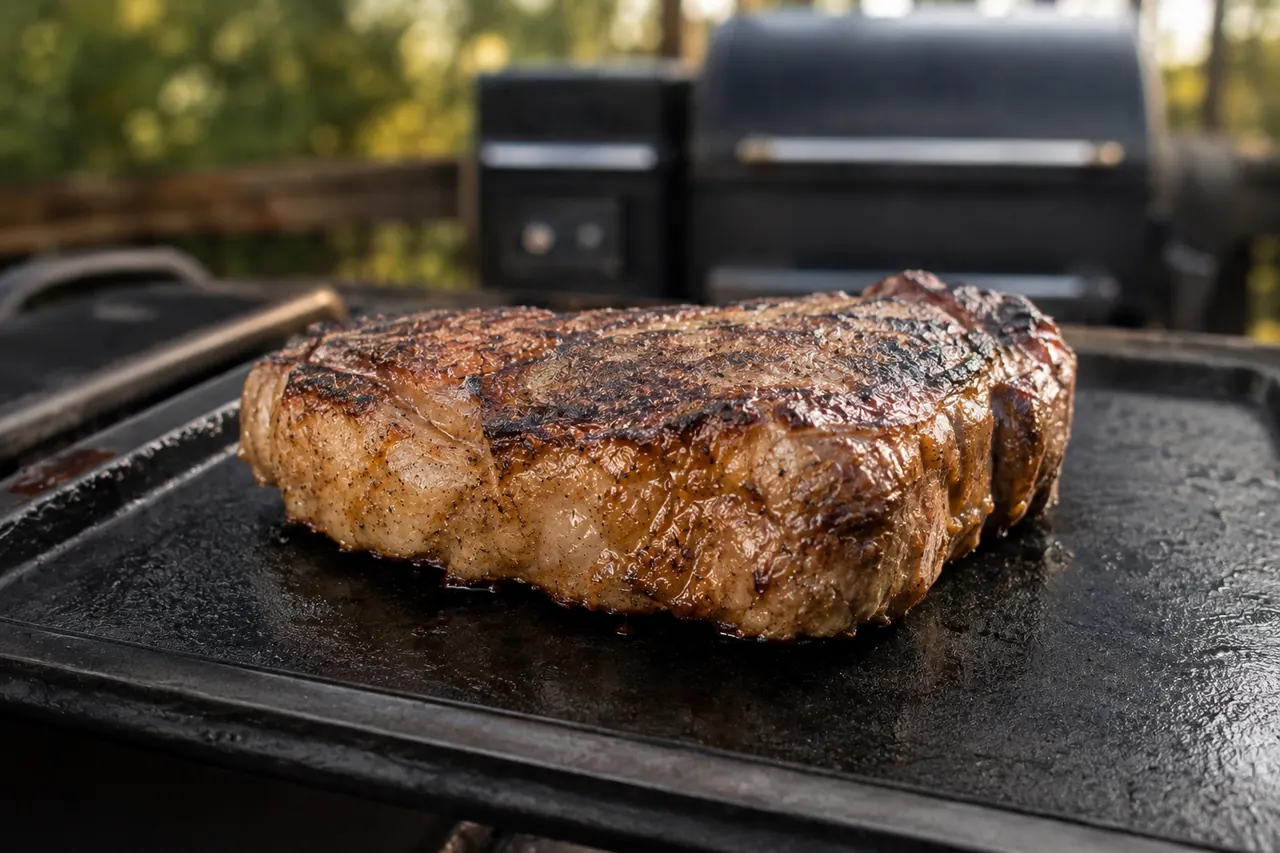
Steak
Reverse-sear steak: separate the low cook from the hot finish
A reverse-sear framework that protects the steak’s center while making the high-heat finish deliberate rather than an overcooking risk.
Open guide →Brisket
Smoked brisket: build the cook around tenderness and time
A practical brisket framework for planning, reading the cook, protecting the rest, and responding when the clock changes.
Open guide →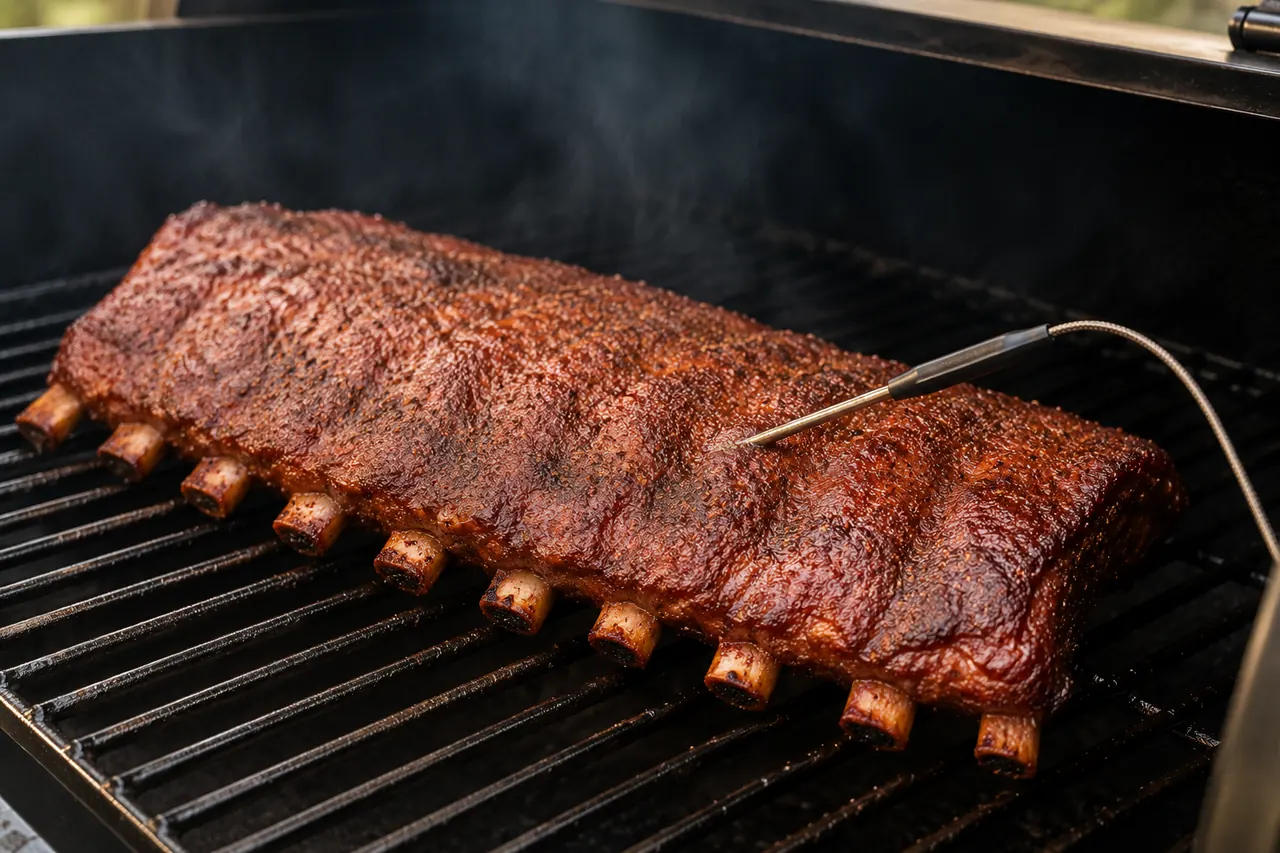
Ribs
Smoked ribs: read tenderness rack by rack
A rib-cook framework that favors tenderness checks, cooker awareness, and a controlled finish over a rigid clock.
Open guide →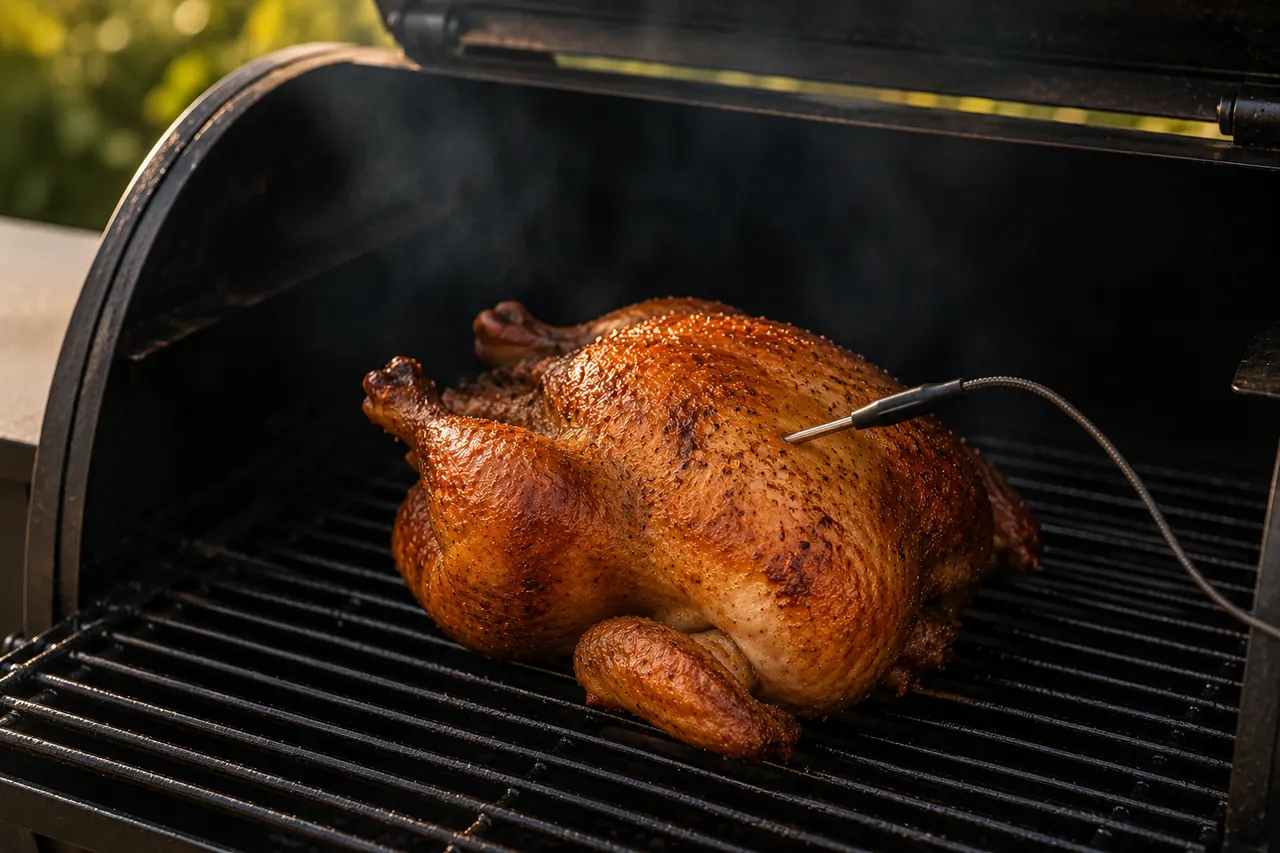
Whole chicken
Smoked whole chicken: plan smoke, safe doneness, and skin separately
A whole-chicken framework for managing the safe endpoint and the skin texture you want without confusing the two.
Open guide →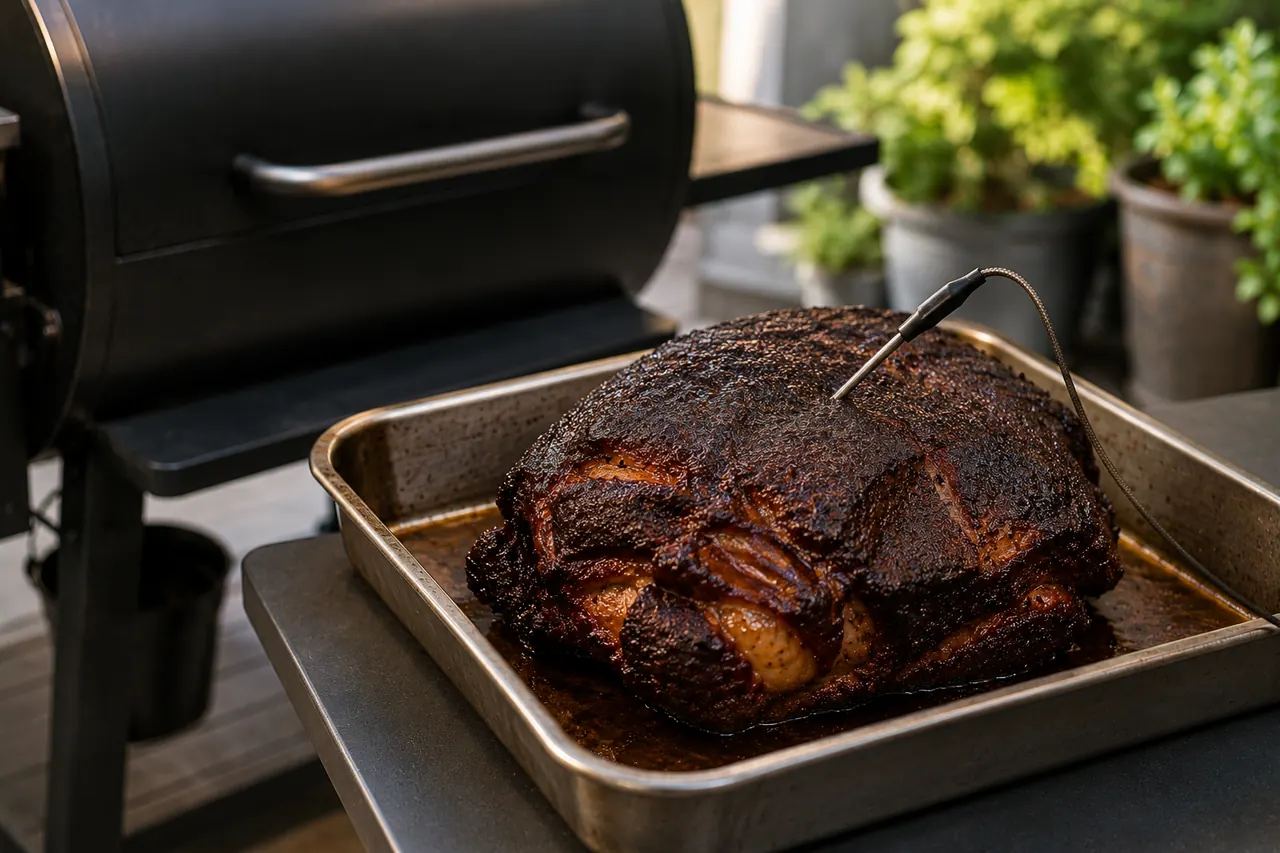
Pork shoulder
Smoked pork shoulder: cook until it pulls, not until the clock agrees
A pork-shoulder framework for building time margin, checking tenderness across the cut, and serving pulled pork at the right moment.
Open guide →When the plan changes
Need a precise recovery path
Move from the reference guide to cooking diagnostics when the bark, tenderness, temperature, timeline, or rest no longer matches the plan.